5 classes
 all studios locations
 sauna
sauna contrast therapy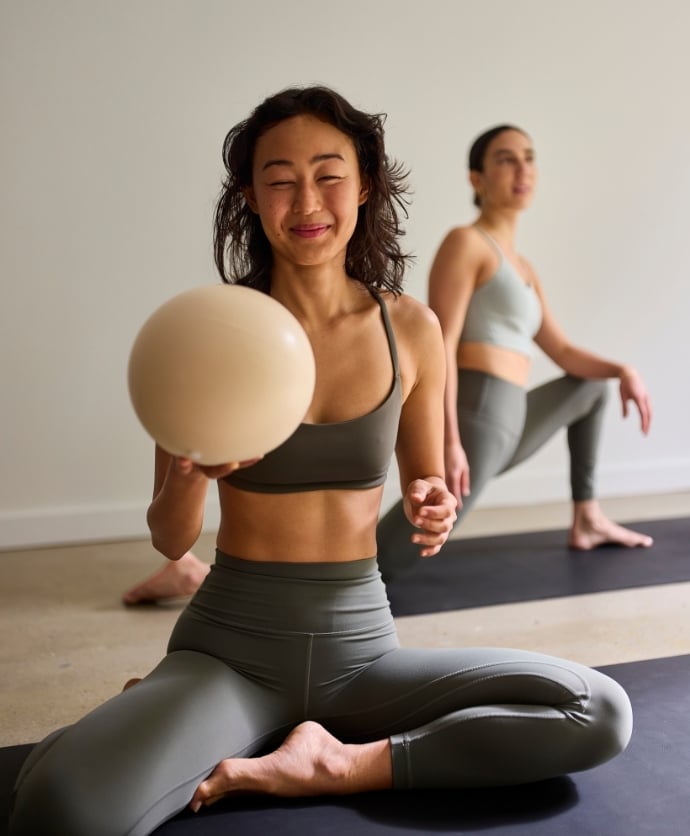

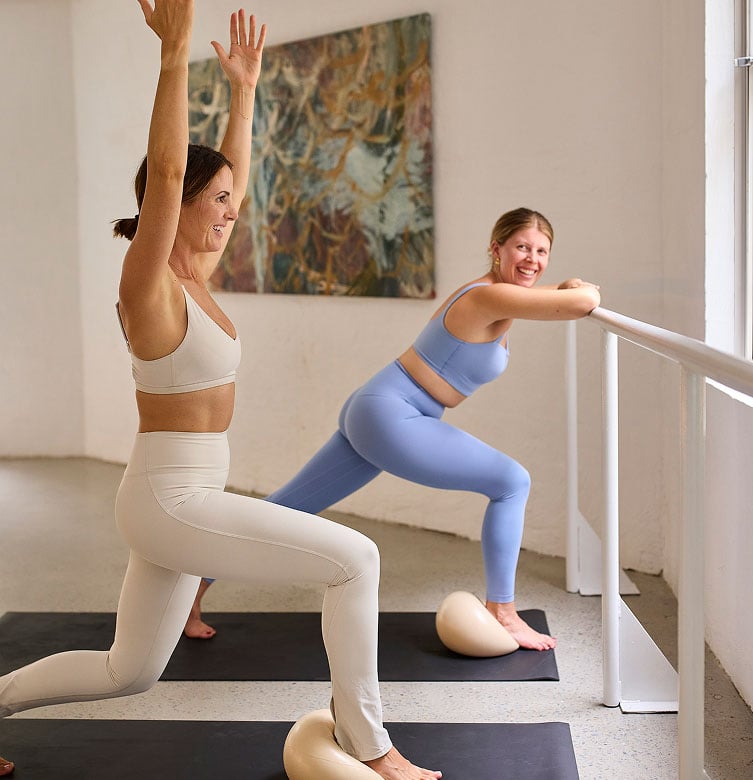
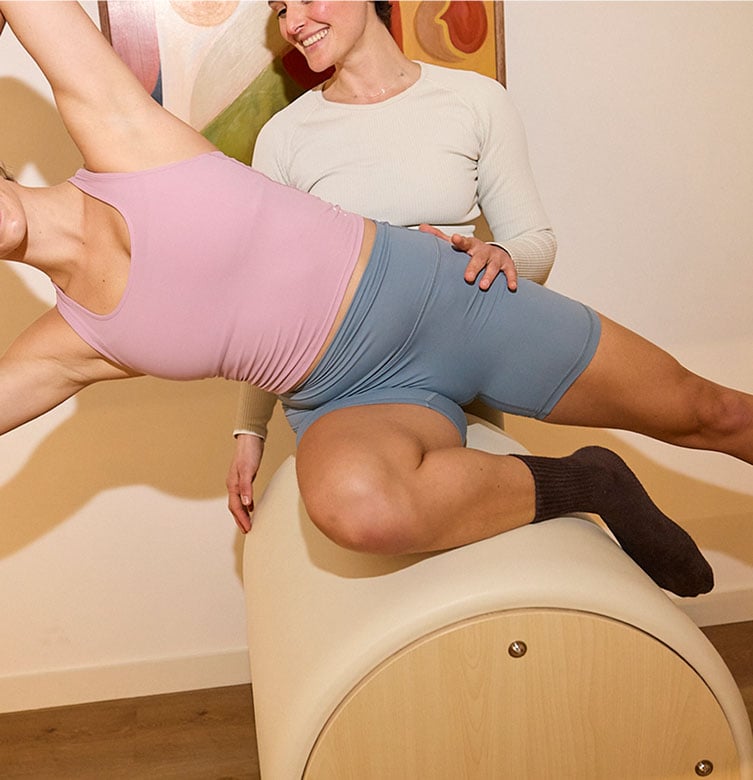
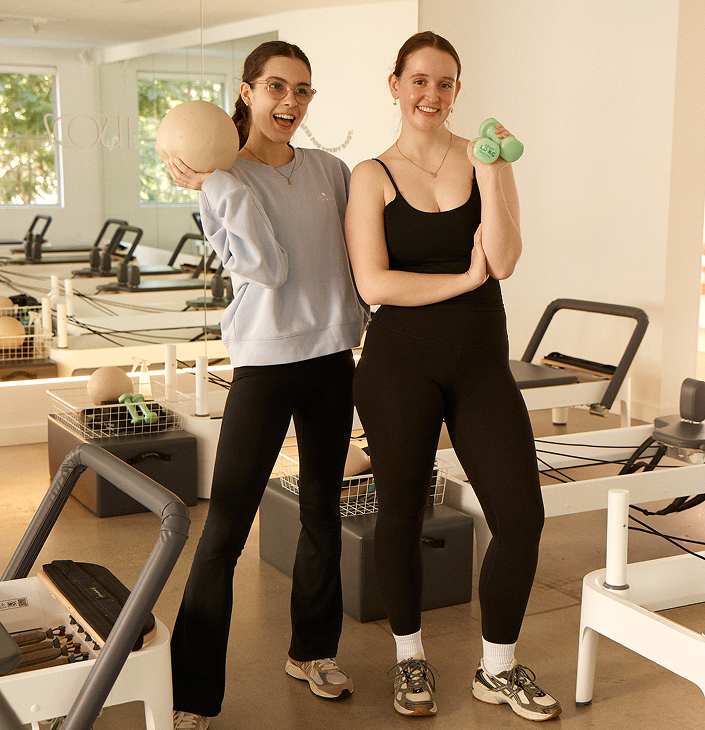
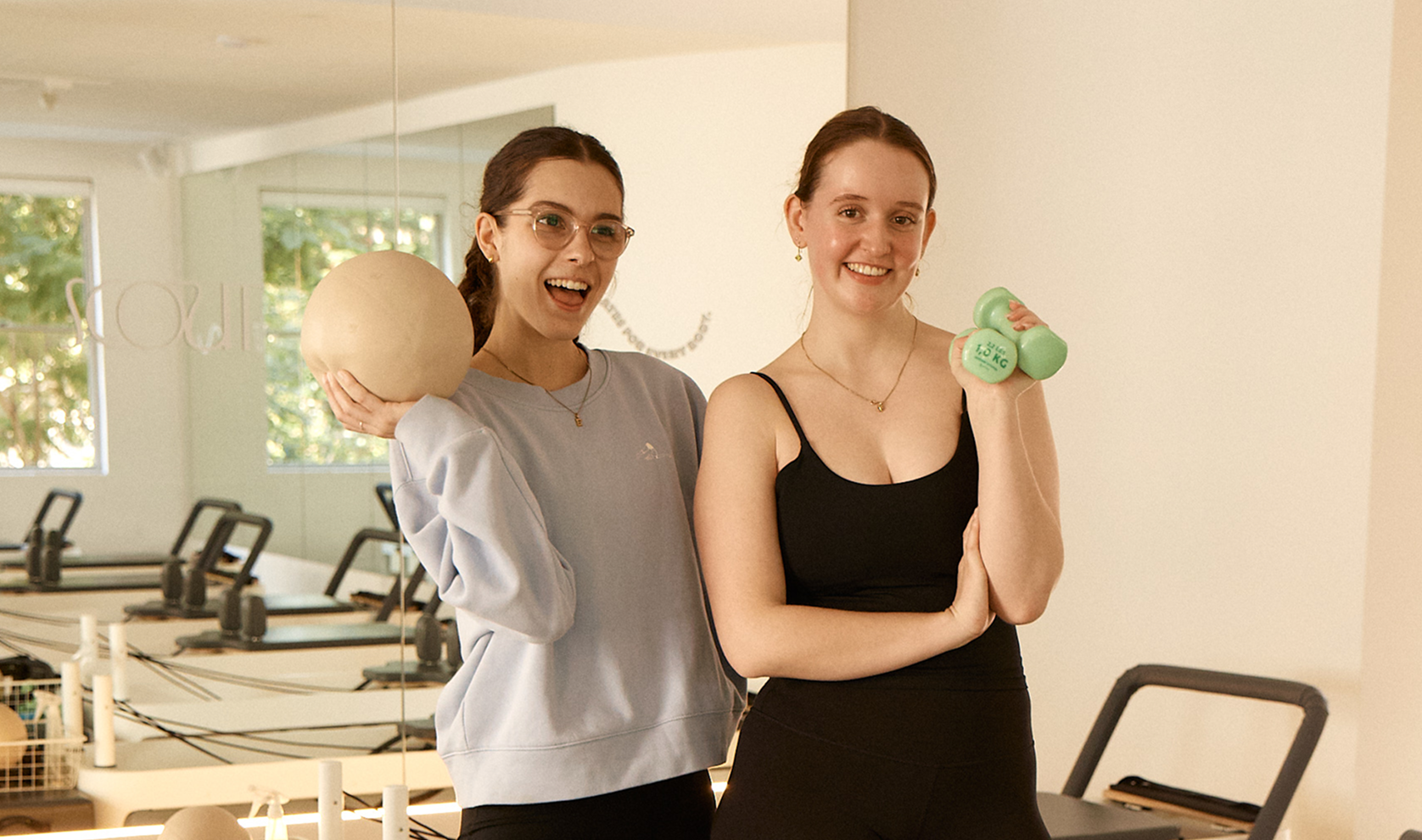


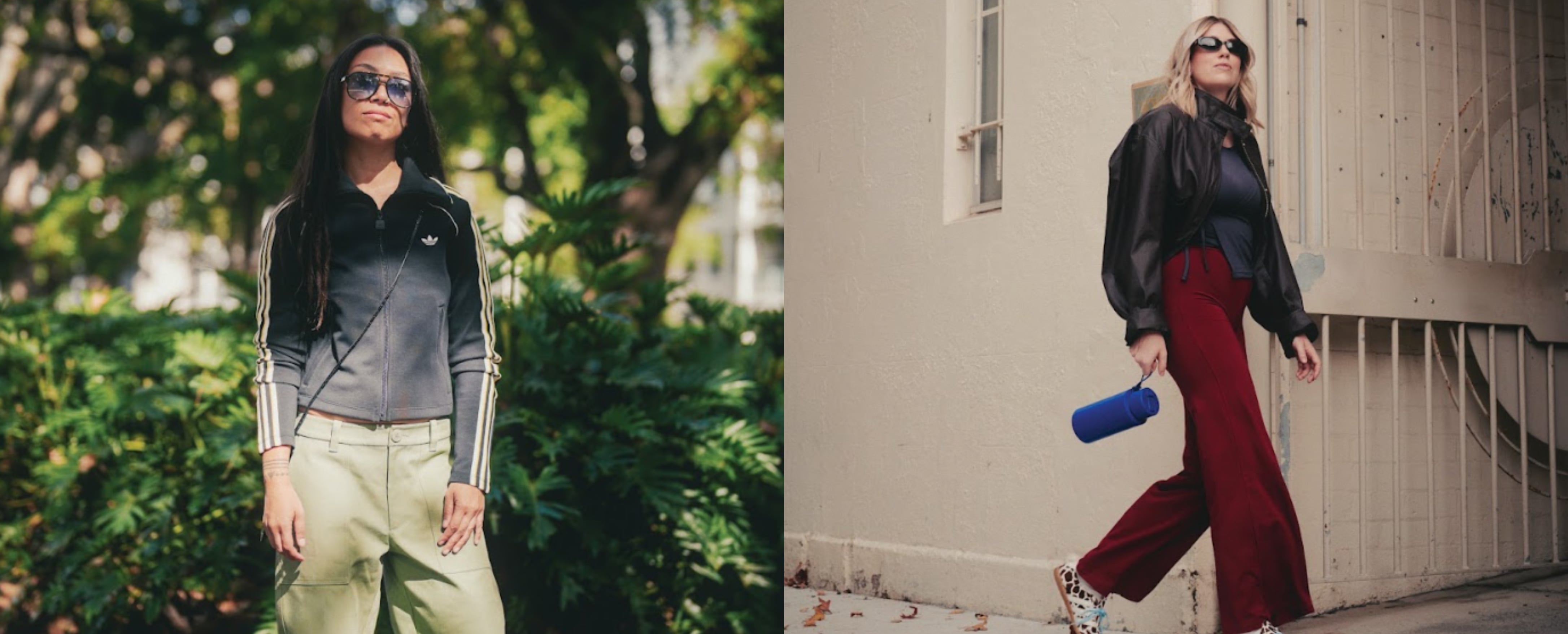
At the bottom of my activewear drawer is a graveyard of shrivelled-up tights and pastel crop tops. They sit unwanted and unworn, watching as I grab loose tees and comfy bike shorts. I sometimes pick up a pair of high-waisted leggings, ogling the taut waistband – I put them back.
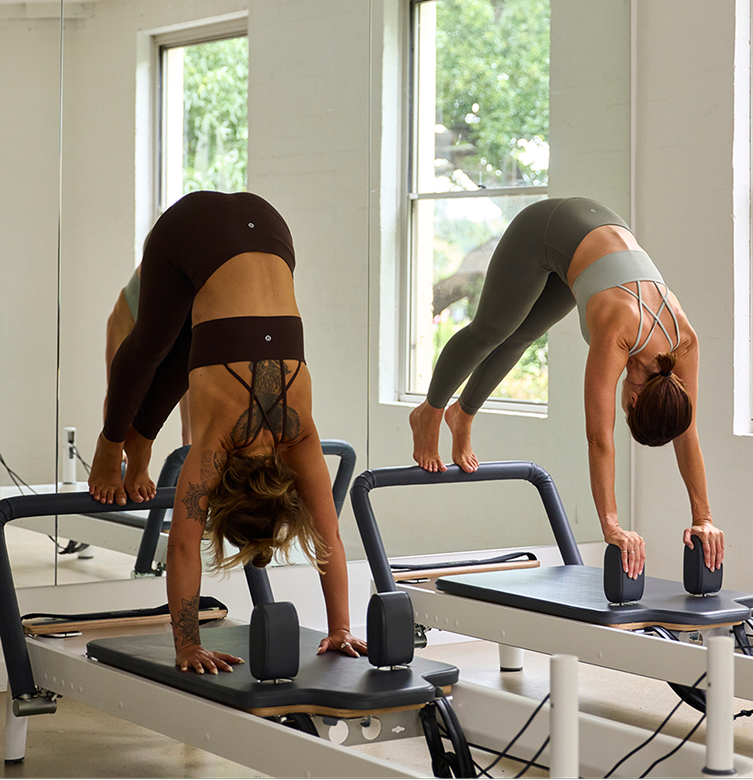
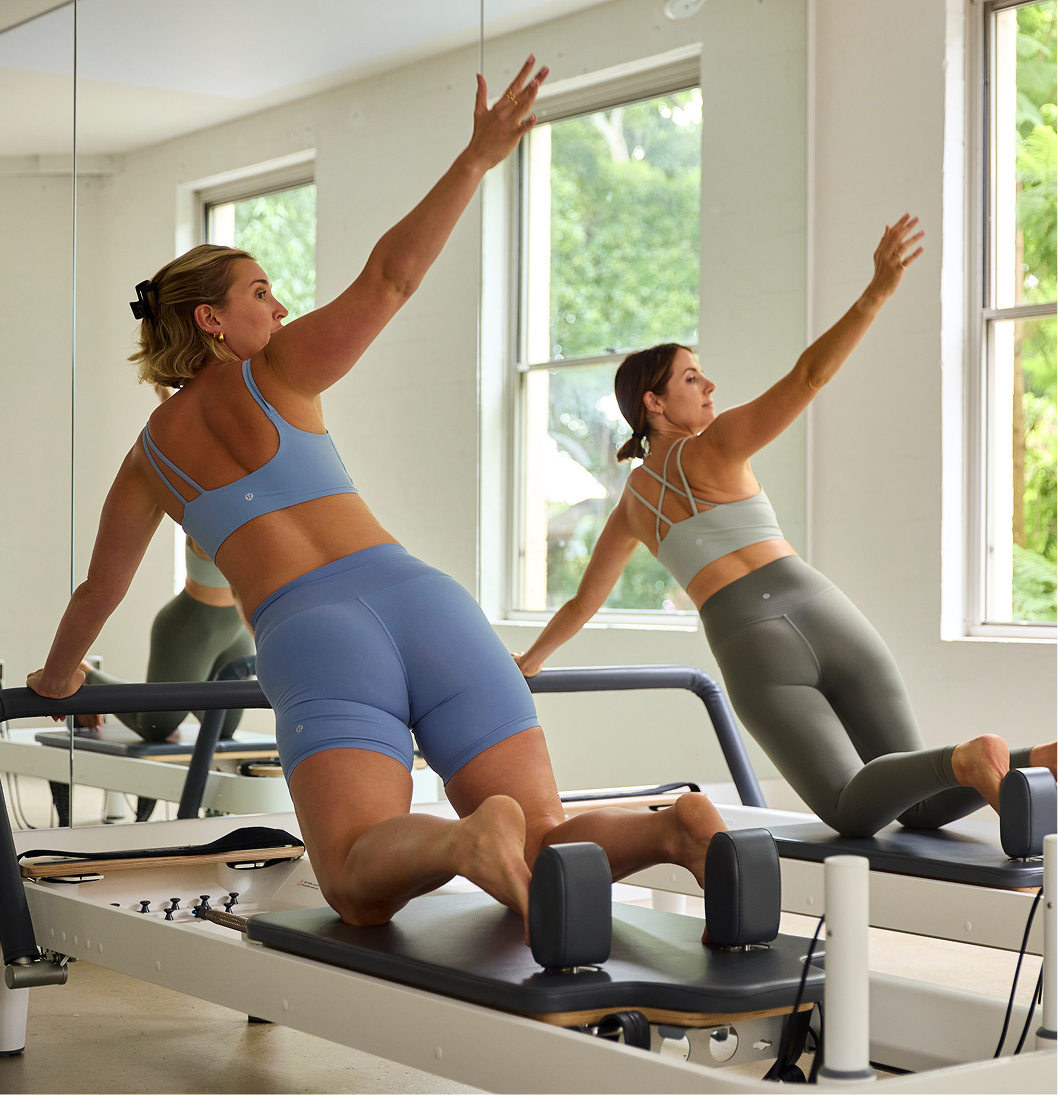
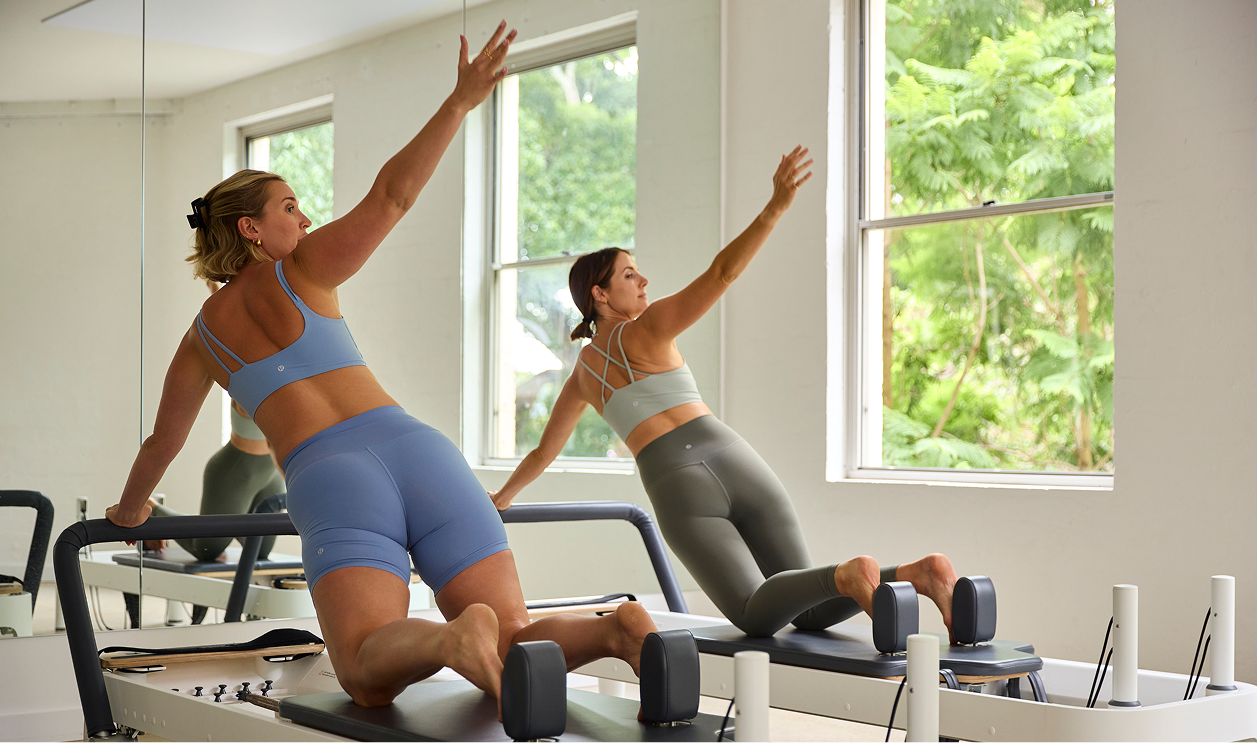
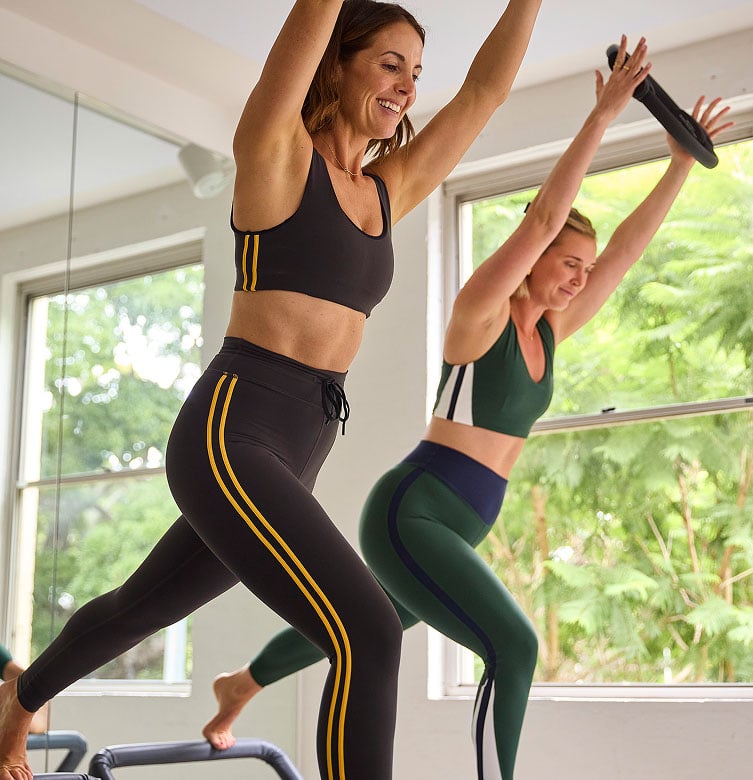
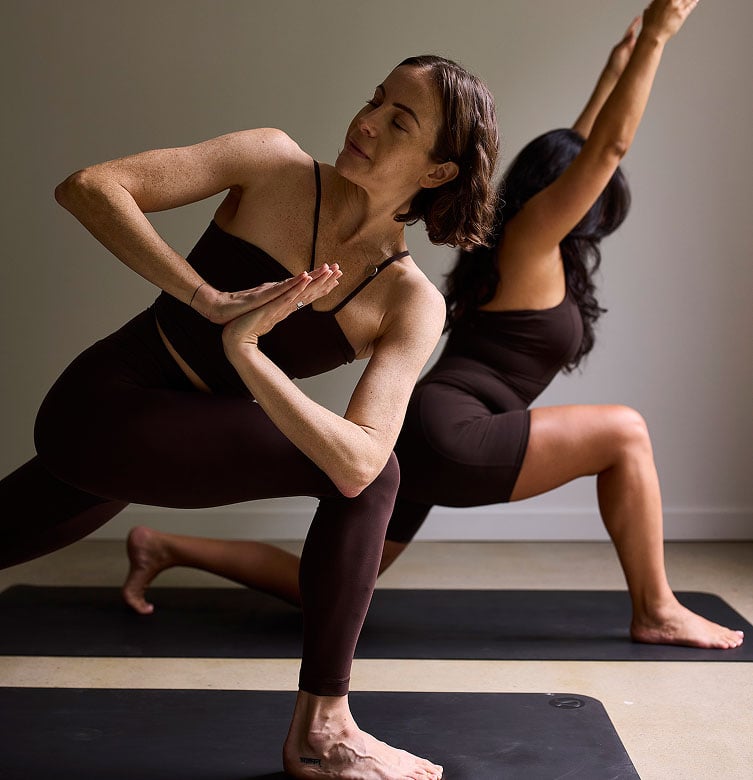
It wasn’t always this way. The 2010s saw a mass takeover of athleisure (Merriam-Webster added the portmanteau to its dictionary in 2015), and ultra-tight leggings and tops in matching hues became the look du jour. Yoga, Pilates and spin classes found their way into weekly routines, and a standardised approach to athleisure became the uniform of choice – first in workout studios, and then on high streets. We were sleek and sharp, embodying the ‘clean girl aesthetic’ before the micro-trend term emerged.
But somewhere along the way, the shape of exercise-wear shifted. Form-fitting, homogeneous activewear has been knocked off the top spot, with personal style now a huge consideration in the sportswear conversation.
For those sartorially inclined, it’s perfectly understandable. Why neglect personal style just because you’re being active? Especially in a nation like Australia, where we spend a lot of time moving outside and exercising socially. The line between our activewear and regular wardrobes is blurring, and I’m here for it.
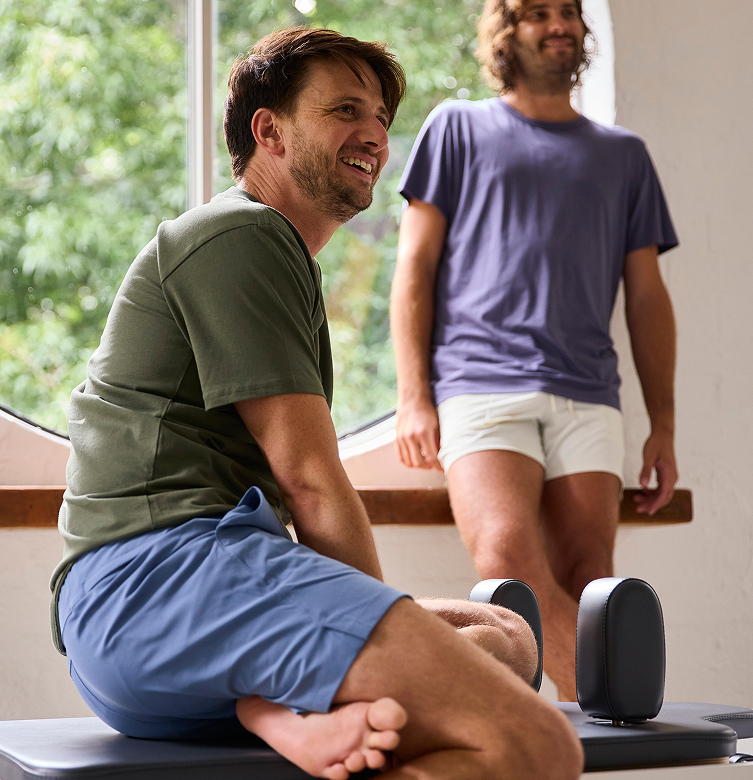
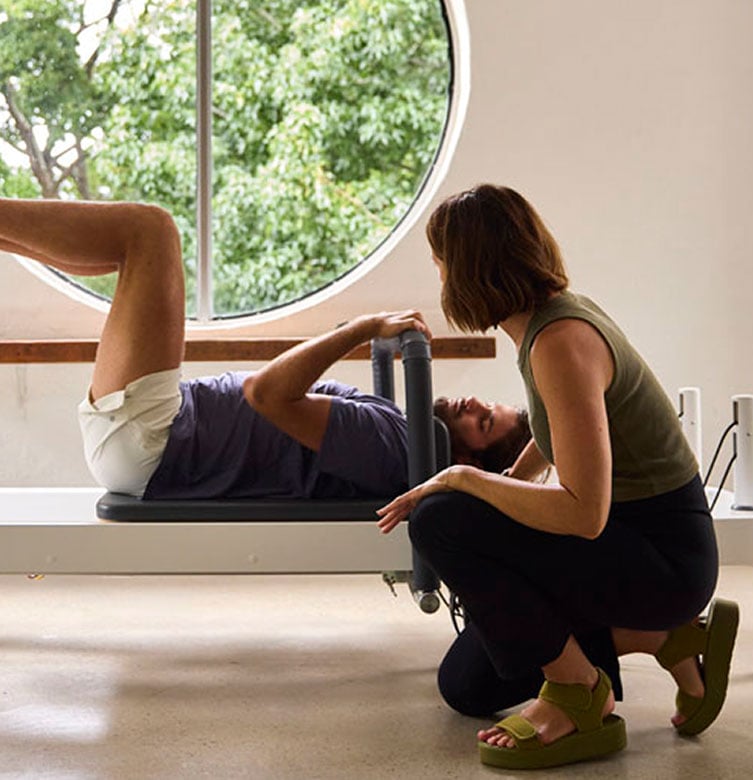
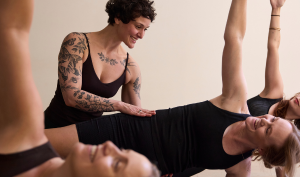
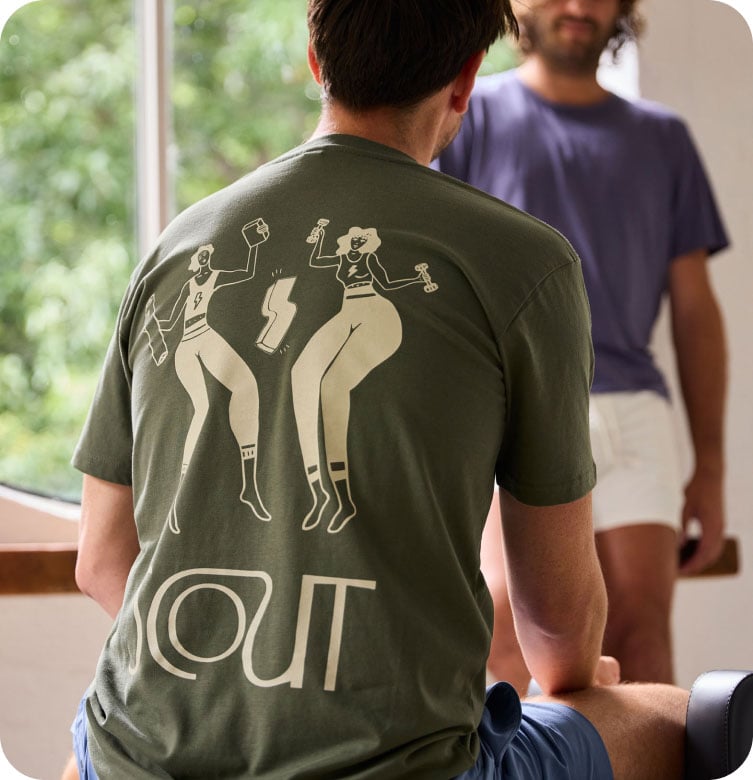
I love wearing a slightly ratty vintage cotton T-shirt to Pilates, paired with comfy bike shorts that don’t dig in anywhere. I love throwing a chunky sweater over my exercise clothes and topping it off with a trench coat when the weather drops. A friend of mine exercises with beaded necklaces because they make her feel like herself. A Pilates instructor I know told me she doesn’t want to be dressed like anybody else in a class.
Compared with the super-polished, slicked-back hair look synonymous with fitness influencers, this laid-back approach to activewear dressing feels cooler, more casual. There’s a carefree quality to this style, a lived-in look that carries its wearer from the gym to the shops, park or pub.
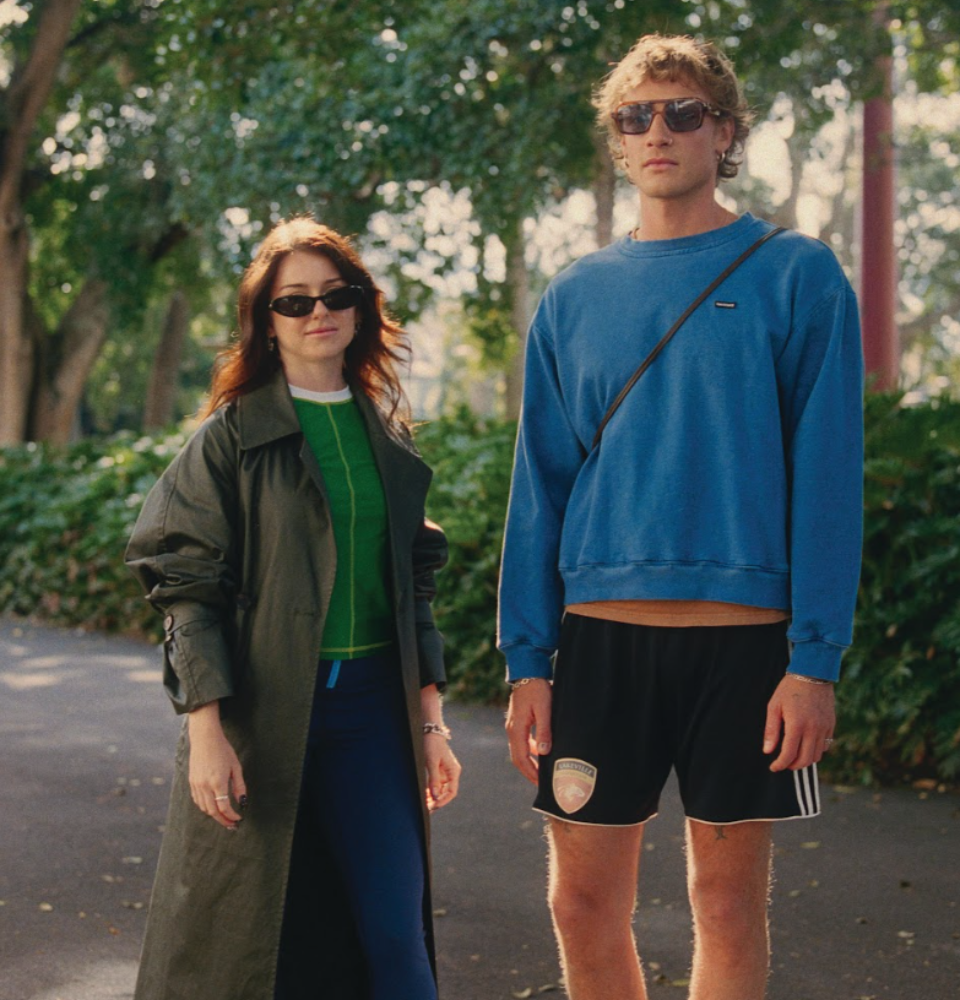
There’s a revival of Y2K activewear trends, too. Vintage styles – pieces that are two decades old, or at least vintage in aesthetic – are in high demand. When fashion journalist Liana Satenstein interviewed Los Angeles-based vintage sportswear reseller Rummage Stretch by Isabella O’Day in July last year, O’Day had about 100 followers on Instagram. Today, she has over 11,000. Hailey Bieber has worn these sourced pieces. And O’Day has released her own collection of vintage-inspired sports-bra tank tops.
These trends celebrate the resurgence of more colourful and playful exercise-wear: colour-blocking, patterned fabrics, contrast piping and unexpected silhouettes are gaining popularity. There’s influence from other sports, too, like ballet boleros, basketball shorts and tennis dresses.
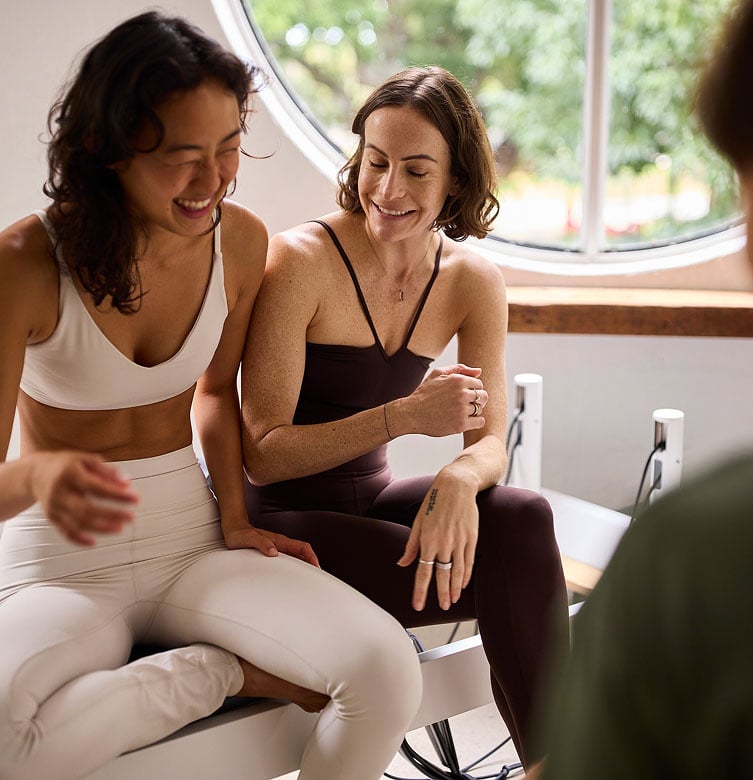
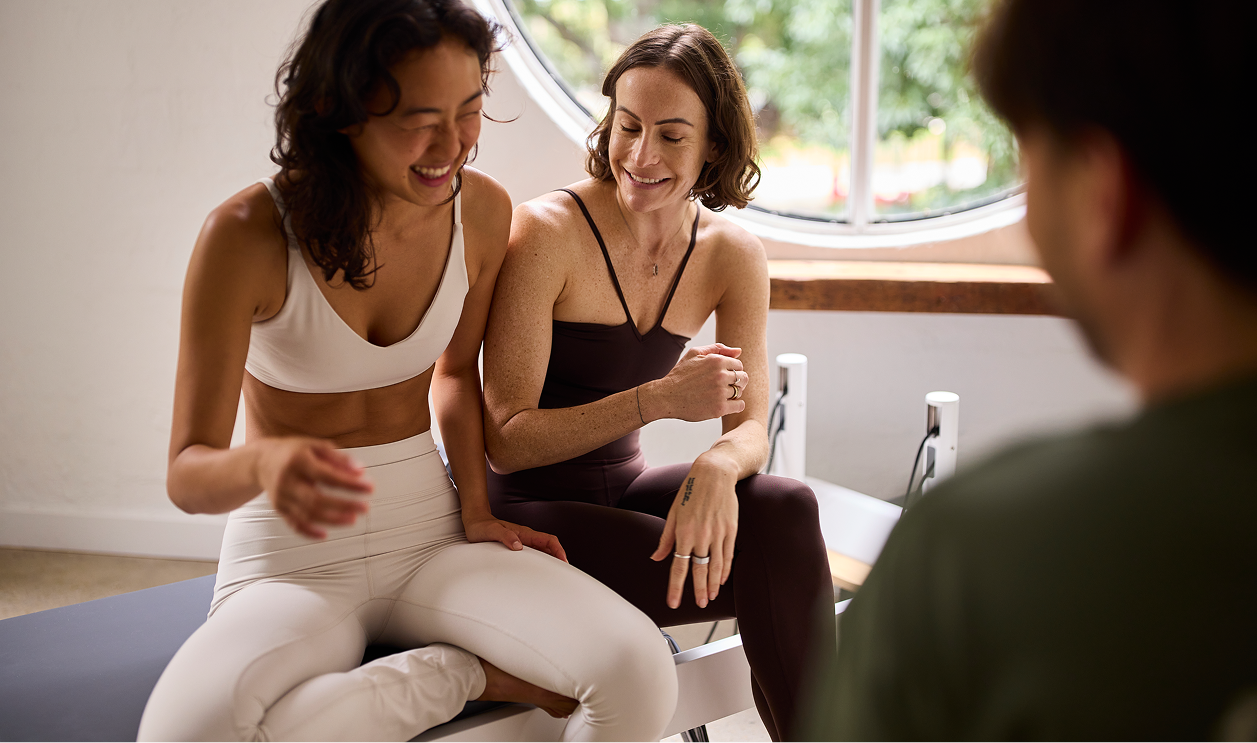
It’s fun and unserious to mix these references together, with ensembles intentionally mismatched. While streamlined matching sets are often performance-driven, style-driven exercise gear tells us more about the wearer’s personality and taste.
Nevertheless, the Pilates studio is not always a runway, and the average Joe is probably throwing on what they have on hand – something reasonably comfortable usually does the trick. There’s also a growing audience for a return to activewear made from mostly natural fibres – cotton is breathable and hypoallergenic, while bamboo and wool add moisture-wicking, odour-resistant properties to the mix.
Despite this fashion discussion, functionality remains the driving factor in activewear acquisitions. But I’d argue that for many, this shift away from skin-tight spandex is about prioritising comfort and, therefore, functionality.
The matching set had a good run. It looked polished, put together, almost clinical in our pursuit of 7am workout Nirvana. But in my wardrobe at least, it’s no longer the default. I might even move it to a lower drawer. Vale the matching set. Adam Sandler-adjacent exercise pairings? Hallelujah.
 copy link
 linkedin